



Roll Cage Safety
The world of off-road sports really opened up for families when the Side-X-Side arrived. UTVs made it much more affordable and, more importantly, safer for the whole family to get around in the dunes and the dirt. No longer do parents have to split up to go out because someone has to stay back at camp with the little ones who don’t yet ride.
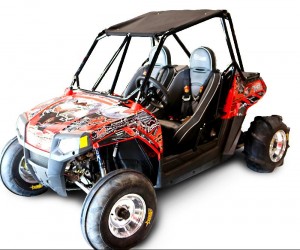
The little ones can sit right beside you, belted and ready to go. Aftermarket cages have expanded the options even further because now, instead of two people up front, you can add two more riders in the back. Perfect!
Of course, if we’re going to take our little guys out, we have a responsibility to keep them safe. Deciding which roll cage to purchase requires a little bit of know-how and research. We spoke with a couple of experts in the field to get their opinions of the most important things to consider when shopping for a UTV roll cage.
Rodney Stoye of Sniper Sand Cars builds aftermarket cages for Rhinos, Rangers, and RZRs. He believes the first thing to look at is the size and strength of the tubing. Minimally, a cage should be constructed of 1 ¾†.090 or .095 mild steel. Joe Pashman at Custom Motorsports agrees: “The cage will be sturdy enough to withstand a collision or roll-over.†Because the mild steel is heavy, it will affect the UTV’s payload, which is something to think about. In the mid-range, you could consider a cage made with DOM steel. It won’t weigh quite as much but, as a stronger metal, will provide the same amount of protection. Ideally, a cage would be made of 4130 Chromolly steel because it is light and strong. A lighter cage allows you to put bigger riders in the back.
The cage construction should demonstrate good craftsmanship. The notching and bending of the frame should be square and straight. It should include plenty of cross-bracing to keep it from collapsing under stress. All the welds should be neat and clean and it should appear that the tubes met up before they were welded. It shouldn’t look as if gaps were welded to make the connections. The welds themselves should stand up high – neither be too flat nor look bulky.
Other safety features to look for include leg protection, grab handles, and possibly a safety net option. Rear passengers need adequate coverage and should not be sitting beyond the cage. A low cross-bar in the cage will keep passengers’ legs inside during a collision. Grab handles serve the same purpose of keeping passengers secure, giving them something to hold on to, rather than grab the roll bar which could jeopardize the safety of their fingers, hands, and arms. A roll cage designed to accommodate a safety net would provide additional assurance that passengers would stay inside the UTV if something extreme happened. (Nets do a good job of keeping shrubbery and cactus out, too!)
Proper installation is an integral part of the overall safety provided by a roll cage. Both Joe and Rodney noted that the cage needs to attach to the factory mounts (A pillar, B pillar, etc.). The rear mount location will differ depending on the make and model of the UTV. A Yamaha Rhino, for example, has a 600 lb. bed capacity. As a result, it is recommended you attach the cage underneath the bed. If it is attached to the bed itself, additional cross bracing is necessary to provide the cage with its own strength, rather than rely on the bed strength. A Polaris Ranger has a 1200 lb. bed capacity, making it possible to mount a cage directly to the bed.
Neither Joe nor Rodney has faith in bolt-on aftermarket cages. They have both seen bolt-on systems fail in collisions and roll-overs. As Joe puts it, “They just don’t have the integrity of a full-cage system. I wouldn’t trust ‘em.â€
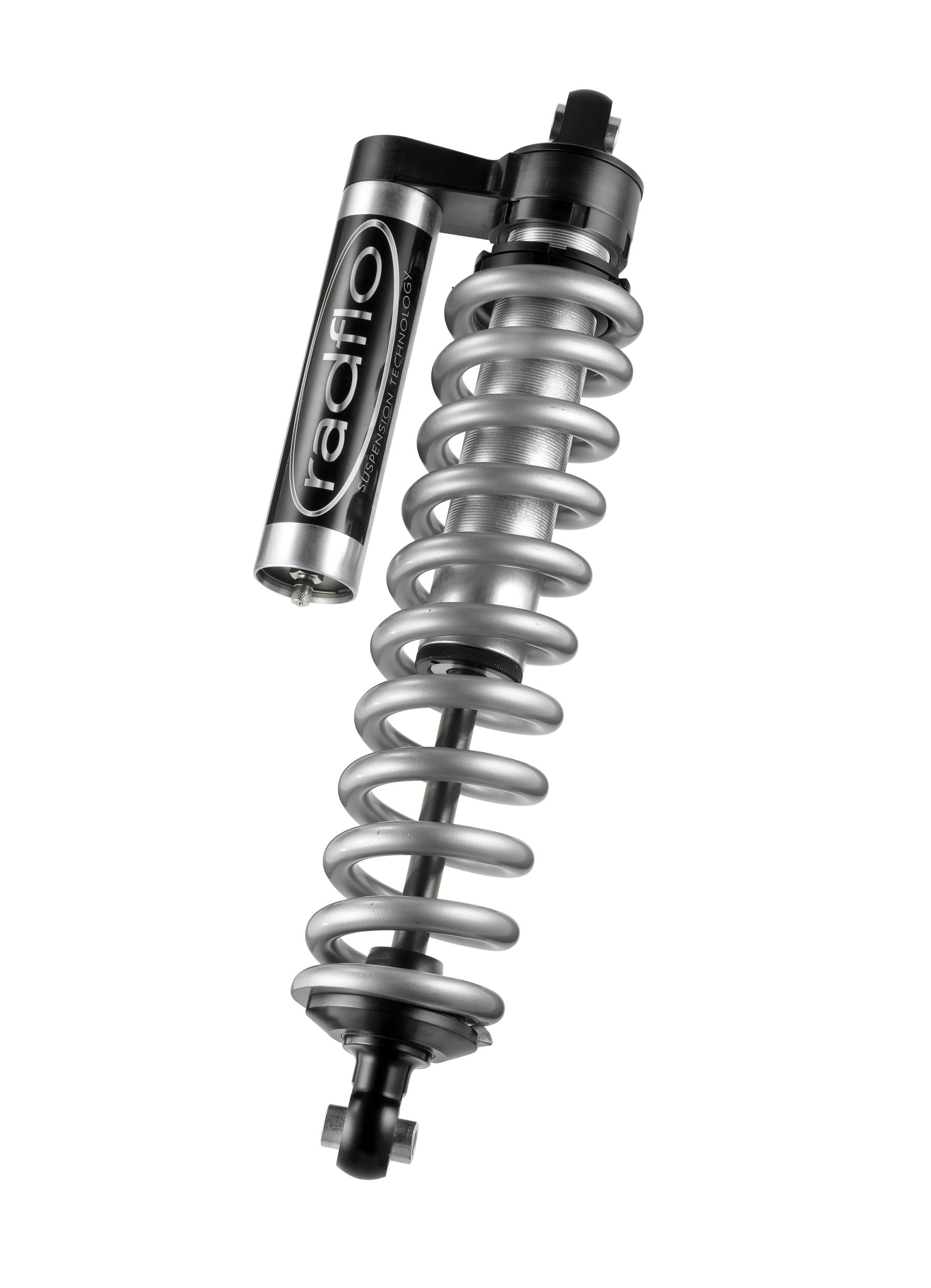
Weight is an important consideration when converting your UTV to a four-seater. By adding a cage, you’re adding weight. Then you have seats. Then you have people in those seats. Every pound you add to the payload of your Side-X-Side will affect the way it handles (be sure to check out the article in this issue on Payloads). In order to improve the turning and handling, you may need to add wheel spacers and aftermarket shocks.
When shopping for a cage, look for a reputable manufacturer, don’t be afraid to ask questions, and ask around the web or community for feedback on a builder. A reputable manufacturer will be licensed to operate in their community, will have a permit, and will be fully insured for liability. If a company has put that much effort into building their business, you stand a much better chance of finding them if you need help or have questions later on down the line. The last thing you want is to find a disconnected number or empty promises, when something needs to be fixed or a family member is injured due to a faulty cage.
A well-engineered cage, made with right materials and mounted properly, will change the way you use your UTV. You can run with the big boys (and girls), even if you’re toting the little ones.


Great information for those that are building or buying a roll cage for the first time. You really got to Look these things over closely and shop around for the right frame that fit’s your intended needs. Are looking for a two seat or a four seat, recreation purpose or racing, these sort of questions.
If your a building your own cage take time to design and plan you roll cage for function and strength. Ask lot’s of questions if your unsure about your roll cage choice or design
When the UTV come’s to you from the manufacture there really not a roll cage, most come with fine print sticker saying it’s not a roll over protection device.
One of the first up-grades I steer my customers to is a cage upgrade and a few other safety items like Leg tenders, passenger grab handles, 4 or 5 point seat belts, and wheel spacers with upgrade shocks for stability reasons. Of course the optimal way is full suspension a-arm upgrade with a high quality shock. Then their is less of a chance to actually test the roll cage.
I personall I would pay the additional cost to use Chromoly tubbing, it’s stonger and because it’s stronger, you can use less wall thickness. Reducing wall thickness also reduces the cage weight. Roll cage weight is some of the worst weight to compensate for. It’s at the top of the vehical with a high center of gravity. This top heavy weight effects handeling. And when mounting the cage, use largest mounting sufaces on the frame you can hook into. Every manufacture has differnt mounting locations to mount the cage to that insures the safest and most stable mounting points.
Hopefully you will never have to test it out, but if you do you want it to hold up to the test.
Happy trails
Randy
http://www.atvonics.com